Progressive Solutions in Mechanical Systems: Extensive Services for Today's Industries
Cutting-edge innovations in mechanical technologies are reshaping contemporary industries. These advancements concentrate on boosting performance levels while tackling industry obstacles. Real-time analytics, automation, and robotics are instrumental factors in this ongoing evolution. As organizations pursue sustainable efficiency, the adoption of innovative materials and methodologies becomes essential. The consequences of these innovations are substantial, encouraging a thorough analysis of their role in shaping design and operational strategies. What new developments will determine the direction of mechanical engineering?
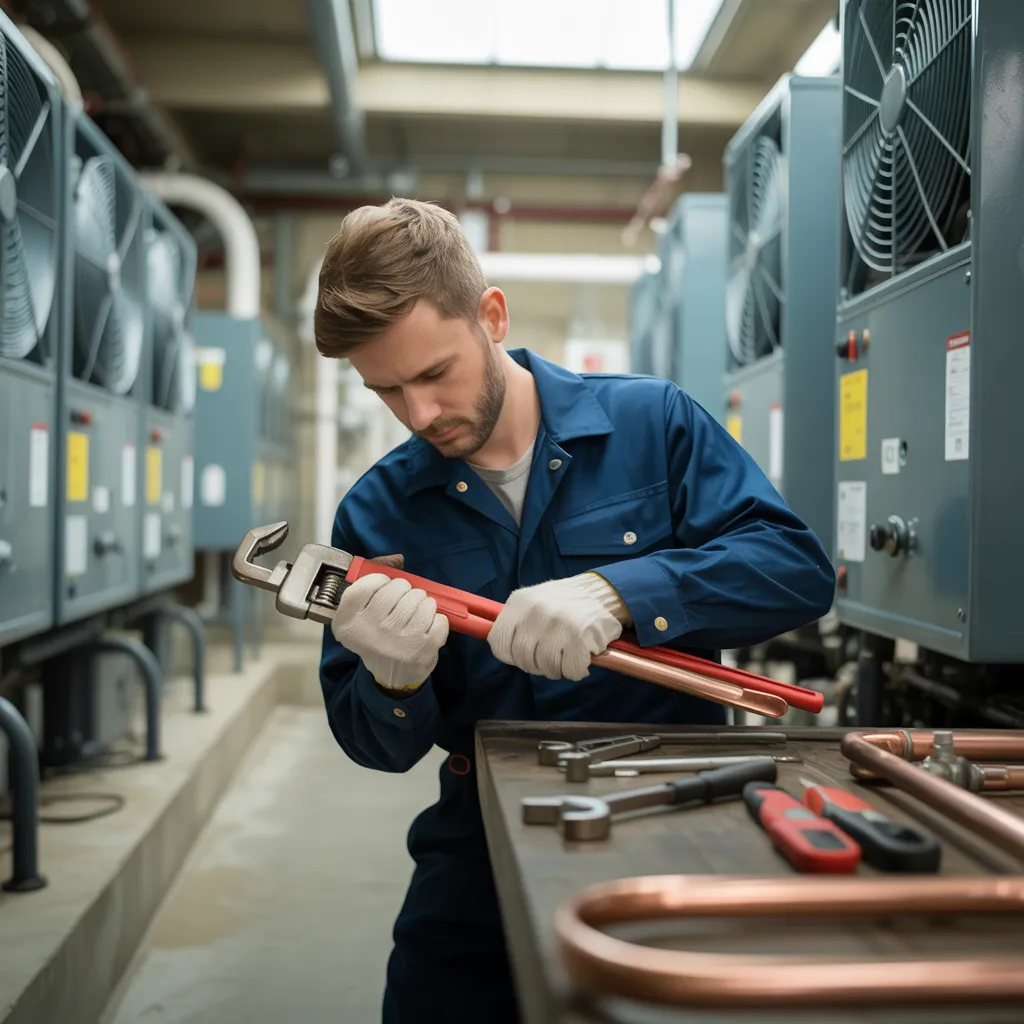
The Significance of Mechanical Systems in Today's Industries
At a time when efficiency and innovation are essential, mechanical systems hold a fundamental place in modern industrial sectors. These systems encompass a wide range of technologies, including automation, robotics, and a variety of machinery, all developed to improve operational productivity. In manufacturing, mechanical systems streamline operations, reduce human error, and optimize resource allocation. Their implementation enables the swift production of goods, permitting organizations to react promptly to market demands.
Moreover, mechanical systems play a significant role to the dependability and maintenance of production processes. Predictive maintenance approaches, enabled by advanced sensors and data analytics, guarantee equipment performs at its highest capacity, minimizing downtime. This consistency is critical in industries including the aerospace, automotive, and energy sectors, where accuracy and safety are paramount. Ultimately, the contribution of mechanical systems is irreplaceable, propelling innovations that both enhance efficiency and encourage innovation across numerous industrial domains.
Solutions Addressing Difficulties in Mechanical Systems
Innovations in industrial machinery are vital for addressing contemporary challenges faced by various industries. Advanced robotics integration improves automation efficiency, while predictive maintenance strategies minimize operational costs and downtime. Furthermore, advances in energy conservation contribute to environmental sustainability objectives, making these advancements critical for the future of industrial growth.
Advanced Robotic Systems Integration
As industries face growing complexity in challenges, the integration of advanced robotics into mechanical systems proves to be a critical answer. This integration enhances operational efficiency, facilitating accurate automation in production processes. Robots integrated with artificial intelligence are capable of adapting to diverse tasks, streamlining production lines and reducing human error. Furthermore, cutting-edge sensors support real-time data acquisition, supporting improved decision-making and efficient resource allocation. Such robotic systems further enhance workplace safety by taking on hazardous tasks, thereby minimizing risks to human workers. In addition, the adaptability of robotic solutions enables customization, empowering industries to react promptly to market needs. Overall, advanced robotics integration represents a significant advancement in addressing the multifaceted challenges faced by modern mechanical systems.
Anticipatory Maintenance Methods
Utilizing the potential of big data analytics, predictive maintenance techniques have emerged as a groundbreaking solution in mechanical systems. By utilizing live data streams from equipment and sensors, these methods allow businesses to predict equipment failures before they occur. This forward-thinking approach reduces operational downtime, optimizes maintenance schedules, and maximizes the longevity of vital machinery. Cutting-edge algorithms evaluate past performance records, recognizing patterns and deviations that suggest emerging concerns. Consequently, businesses can allocate resources more efficiently, minimizing expenditures tied to emergency maintenance and operational delays. Additionally, embracing predictive maintenance promotes a mindset of perpetual advancement, motivating sectors to integrate cutting-edge solutions that improve dependability and efficiency. Therefore, companies can preserve their market position in progressively competitive industries.
Energy Efficiency Breakthroughs
With the growing emphasis on sustainability, advancements in energy efficiency are transforming mechanical systems to tackle critical challenges. These advancements focus on reducing energy consumption while maintaining ideal performance. Technologies such as variable frequency drives (VFDs) and advanced materials greatly enhance system efficiency, minimizing waste and lowering operational costs. Moreover, the adoption of smart sensors facilitates real-time tracking and responsive adaptations, optimizing energy consumption. Systems designed to recover and repurpose waste energy equally contribute to meeting sustainability objectives. By embracing these technologies, companies can not only adhere to regulatory guidelines but also establish a competitive position in a market growing more influenced by sustainability-focused buyers. As a result, energy efficiency advancements are essential for contemporary mechanical systems.
Ways Mechanical Systems Boost Efficiency and Sustainability
Mechanical systems revolutionize efficiency and environmental responsibility across various industries by combining cutting-edge technologies and efficient processes. These systems maximize resource usage, minimizing waste and decreasing energy consumption. As an example, automated machinery enhances production speeds while minimizing human error, resulting in greater output and improved quality. Moreover, predictive maintenance systems support timely corrective actions, avoiding expensive downtime and prolonging equipment longevity.
Within industries such as manufacturing and construction, mechanical systems facilitate the adoption of clean energy alternatives, such as solar and wind, thereby advancing sustainability goals. Smart sensors and IoT capabilities allow for live monitoring and comprehensive data analysis, ensuring peak performance and allowing swift corrections to sustain system efficiency.
Furthermore, modular configurations in mechanical assemblies advance sustainability by permitting seamless upgrades and alterations, eliminating the necessity of total system replacements. In summary, the adoption of these innovative solutions considerably boosts operational performance and supports a more environmentally responsible industrial future.
How Comprehensive Mechanical Services Transform Design and Implementation
As conventional methods of design and implementation frequently result in inefficiencies, extensive mechanical services offer a transformative solution by combining sophisticated methodologies and state-of-the-art technologies. These solutions optimize and streamline workflows, enabling engineers to optimize designs for performance and cost-effectiveness. By leveraging computer-aided design (CAD) alongside advanced simulation tools, teams can predict potential issues early, decreasing the probability of costly adjustments during later phases of development.
Furthermore, wide-ranging mechanical solutions encourage collaboration across disciplines, guaranteeing that all aspects of a project remain synchronized from the start. This all-encompassing strategy minimizes miscommunication and accelerates project timelines. Additionally, the incorporation of cutting-edge manufacturing processes, such as additive manufacturing, enables more complex designs that could not be realized in the past. In conclusion, the integration of broad mechanical services not only elevates the development and deployment stages but also advances the long-term sustainability and operational efficiency of current industrial practices, placing organizations on a path to lasting success.
How Case Studies Uncover Future Trends in Mechanical Systems
Case studies serve as essential resources for showcasing how evolving technologies are redefining mechanical systems. By analyzing real-world applications, these analyses provide perspective on innovative practices and potential future trends. This exploration highlights the dynamic interplay between emerging technologies and hands-on execution in this industry.
Overview of Emerging Technologies
As sectors continue to adopt automation and advanced materials, new technologies are set to transform mechanical frameworks. Innovations such as additive production techniques, next-generation robotics, and smart monitoring systems are transforming design and production processes. Industry research confirms the capacity of these technologies to boost productivity, cut waste, and allow for greater customization. As an example, the adoption of machine learning-powered analytics in maintenance prediction has demonstrated considerable decreases in operational downtime, highlighting the industry's transition to more forward-thinking operational methods. Furthermore, the application of composite materials is creating opportunities for stronger and more lightweight parts designed to perform under demanding circumstances. Such developments not only elevate system performance but also support broader environmental objectives, suggesting a coming era defined by intelligent, robust, and sustainable engineering solutions. The direction of these advancements heralds an unprecedented era of technological progress.
Real-World Application Insights
Practical implementations of cutting-edge advancements in engineering systems shed light on upcoming developments. Industry-specific examples highlight how developments like artificial intelligence, automation, and connected systems are reshaping how operations perform. For instance, a notable case in the automotive industry demonstrated significant reductions in production time through advanced robotic solutions. Similarly, the aerospace sector has benefited from additive manufacturing, which enables the creation of components that improve performance while minimizing weight. Such cases not only underscore direct gains but also indicate a movement toward more sustainable practices and customization capabilities. As organizations integrate these technologies, the data gathered will guide upcoming progress and define the direction of technical infrastructure, ensuring they meet the changing needs of contemporary industries.
What Lies Ahead for Mechanical Systems?
What advancements are on the horizon for mechanical systems? Mechanical systems of the future are set to undergo groundbreaking changes fueled by artificial intelligence, robotics, and sustainable practices. Enhanced automation will enable systems to operate with greater efficiency and adaptability, reducing human error and operational costs. Additionally, the integration of IoT technologies will facilitate real-time monitoring and predictive maintenance, ensuring peak performance and longevity of equipment.
3D printing, also known as additive manufacturing, is poised to transform manufacturing workflows, facilitating advanced design capabilities and significantly cutting down on waste. Moreover, the discover the facts growing emphasis on sustainability will drive industries to embrace eco-friendly materials and responsible practices, aligning with global sustainability goals.
As industries progress and evolve, collaboration between engineers, software developers, and environmental scientists will be crucial to propel these innovations forward, guaranteeing that mechanical systems not only satisfy the needs of modern industries but also play a beneficial role for society and the planet.
Popular Questions We Receive
What Credentials Should I Look for When Selecting a Mechanical Services Provider?
When selecting a provider of mechanical services, one must consider criteria such as experience, industry certifications, a proven track record, and technical expertise. Additionally, evaluating customer feedback and service reliability can further guarantee sound and informed decision-making.
How Can I Assess the ROI of Mechanical System Upgrades?
To assess the ROI of mechanical system upgrades, one should assess savings in costs, improvements in efficiency, reductions in maintenance, and gains in productivity. Comparing these indicators with respect to the original investment offers a clear understanding of economic advantages over time.
What Are the Typical Maintenance Practices for Mechanical Systems?
Standard maintenance procedures for mechanical equipment consist of scheduled inspections, lubrication, alignment verification, cleaning, vibration monitoring, and timely replacement of worn components. These maintenance routines help guarantee maximum performance, increasing equipment service life, and reduce unplanned downtime.
In What Ways Do Mechanical Systems Integrate With Other Technologies?
Mechanical systems commonly work alongside technologies like IoT, automation, and data analytics. This synergy enhances efficiency, enables predictive maintenance, and facilitates real-time monitoring, ultimately improving performance and lowering operational costs across multiple industries.
What Industries Benefit Most From Innovative Mechanical Solutions?
Sectors including automotive, aerospace, healthcare, and manufacturing greatly benefit from cutting-edge mechanical advancements. These advancements boost efficiency, minimize costs, and enhance product quality, consequently driving sustainability and competitiveness in an increasingly technology-driven market.